Every workday follows a plan.
Meetings are scheduled. Tasks are assigned. Calls are placed on calendars. People arrive with a clear idea of how their day is supposed to unfold.
Yet some of the most valuable moments happen outside that plan.
A conversation continues after a meeting ends. Two colleagues stop for a quick discussion while walking between appointments. Someone finds a quiet corner to organize their thoughts before an important presentation. These moments are rarely scheduled, but they often contribute just as much to productivity as the activities written on a calendar.
This shift has changed the way people think about workplaces.
For many years, offices were viewed primarily as places where work happened. Employees arrived, completed their responsibilities, and left. The spaces between those activities received far less attention.
Today, expectations are different.
Professionals spend a significant portion of their day moving between tasks. They take breaks, meet visitors, collaborate with colleagues, and occasionally step away from formal work areas to recharge. As a result, the most effective commercial environments are often those that support these transitions rather than focusing solely on desks and meeting rooms.
This perspective is becoming increasingly relevant in projects such as ONE FNG by Group 108, where the broader workplace experience plays an important role in how people interact with the environment. A successful workplace is not only defined by where people work. It is also shaped by where they pause, connect, and regroup throughout the day.
Interestingly, people tend to remember these informal spaces more than expected.
Ask someone about a productive day, and they may mention a conversation that happened between meetings. Ask them about an important idea, and they might recall where it was discussed rather than where it was officially presented.
That is because human interaction rarely follows a strict schedule.
Creativity often appears during ordinary moments. Professional relationships frequently strengthen through casual conversations. Some of the best discussions happen when people are not trying to force them.
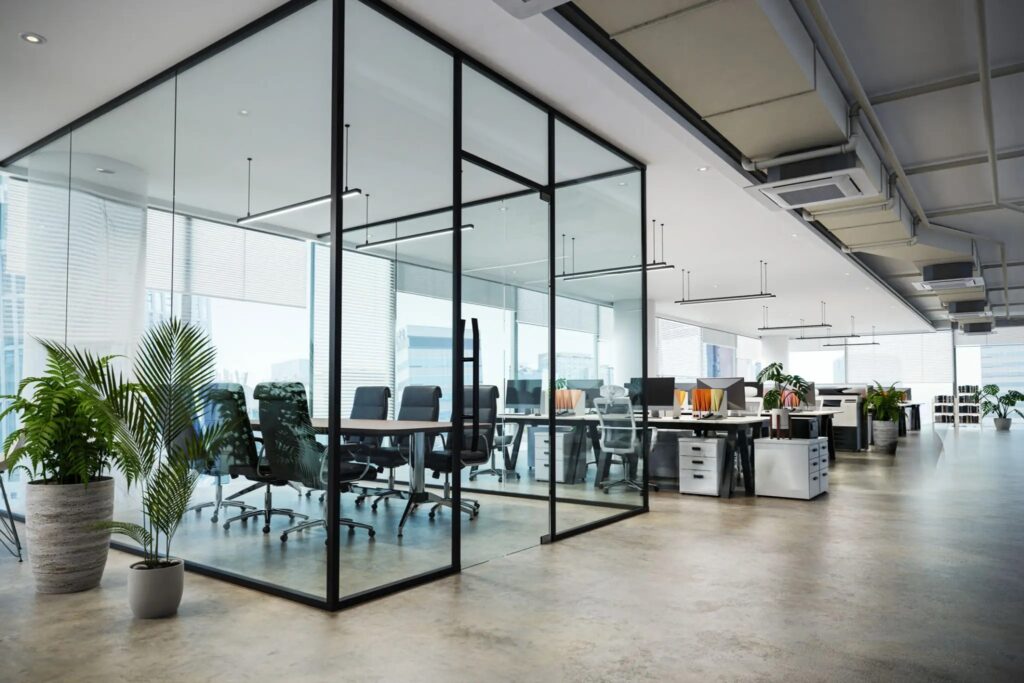
For businesses exploring office space in Noida, this reality is becoming increasingly important. Organizations are recognizing that workplace quality cannot be measured solely by square footage. The overall experience matters as well.
Employees appreciate environments that offer flexibility throughout the day. Visitors feel more comfortable when spaces support different types of interactions. Teams benefit when movement between activities feels natural rather than restrictive.
The most effective workplaces acknowledge these needs without drawing attention to them.
They simply make daily routines easier.
A person can move from focused work to collaboration, from discussion to reflection, and from meetings to informal interactions without feeling disconnected from the environment around them.
That balance creates a more comfortable experience for everyone involved.
Perhaps that is why some spaces become surprisingly valuable despite never appearing on a floor plan as primary destinations. They serve a purpose that is difficult to quantify but easy to appreciate.
In the end, workplaces are not defined solely by the places where people sit and work. They are shaped by everything that happens between those moments. The conversations, pauses, encounters, and interactions that fill a day often leave the strongest impression. Sometimes the most useful space in a building is not the one people planned to use. It is simply the one that happened to be there when they needed it most.