Commercial real estate is no longer evaluated as a static asset. It is increasingly judged by how well it enables businesses to operate, expand, and recalibrate under pressure. This shift places Bhutani Cyberthum Noida in a distinct category—one where commercial space is designed not merely to house work, but to actively support it.
The idea of Cyberthum commercial space goes beyond office floors and retail components. It reflects a larger transition toward environments that behave like business engines rather than physical shells.
Modern enterprises operate under constant workload fluctuation. Teams scale, contract, collaborate, and reconfigure rapidly. Commercial spaces that cannot absorb this variation quickly lose relevance.
Cyberthum appears structured with this reality in mind. Its commercial framework supports sustained activity without forcing rigid usage patterns. This adaptability allows businesses to treat space as a flexible operational resource rather than a fixed constraint.
One of the challenges in large commercial developments is coexistence. Offices, services, and commercial amenities often compete for circulation and attention, creating friction.
In Bhutani Cyberthum Noida, the commercial environment appears organised to avoid such conflict. Different activity types are accommodated without overlapping into each other’s operational zones. This separation preserves focus for office users while still allowing commercial services to function efficiently.
Earlier commercial models relied on periodic engagement—peak hours, event-driven activity, or limited operational windows. Today’s businesses require environments that perform consistently, from early morning to late evening.
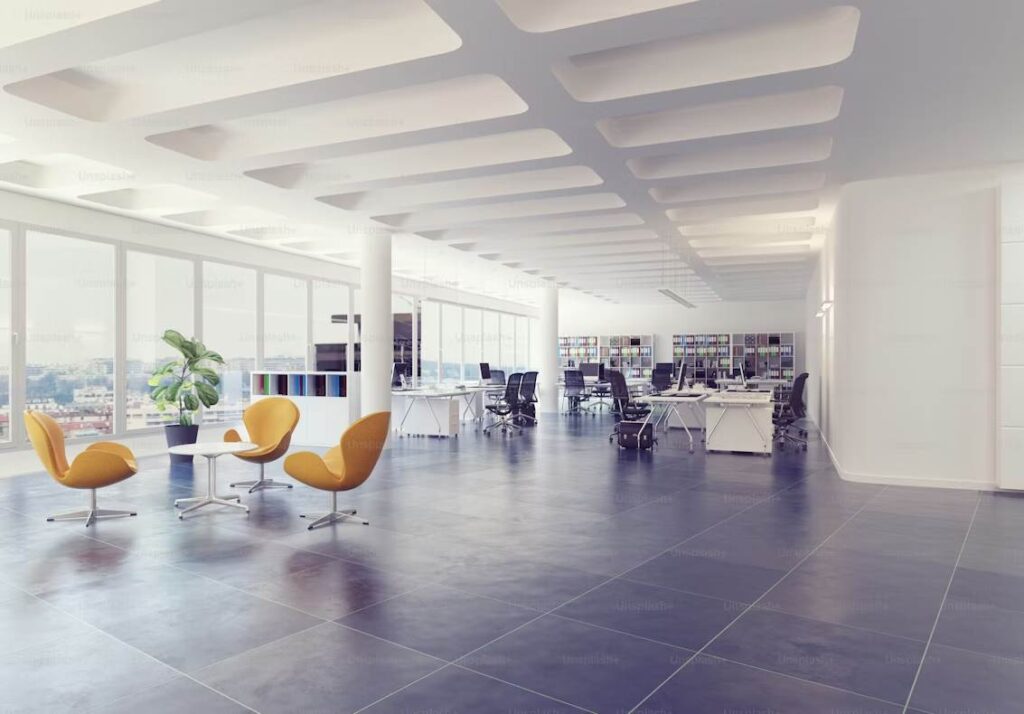
Cyberthum commercial space seems aligned with this expectation. The project supports continuous use rather than episodic activation. This consistency strengthens tenant viability and reduces downtime across the development.
The placement of Bhutani Cyberthum Noida within Noida’s evolving commercial belt supports daily operational continuity. Accessibility is not treated as a branding statement but as a logistical advantage.
For businesses operating across multiple shifts or coordinating distributed teams, predictable access reduces stress points. This predictability makes commercial space easier to integrate into long-term planning.
Companies evaluating cyberthum commercial space are often focused on control—control over workflow, coordination, and scalability. They are less concerned with novelty and more concerned with how the environment will behave once fully occupied.
Cyberthum’s commercial logic appears designed to meet this expectation. It offers an environment where intensity does not compromise order, and scale does not undermine usability.
Many commercial projects generate early interest but struggle under sustained use. Cyberthum seems oriented toward the opposite trajectory—moderate initial noise followed by stable, long-term performance.
This endurance-oriented approach appeals to businesses that plan to commit to space for extended periods rather than rotate frequently.
The organisational clarity visible in Bhutani Cyberthum Noida aligns with the broader philosophy of Bhutani Group. The focus appears to be on building commercial systems that can handle pressure, density, and repetition without degradation.
Such thinking prioritises longevity over spectacle.
Bhutani Cyberthum Noida illustrates how commercial space is evolving into an active business enabler. By supporting continuous operation, clear zoning, and scalable usage, Cyberthum commercial space positions itself as infrastructure rather than ornament.
For enterprises seeking environments that can keep pace with modern work demands, Bhutani Cyberthum Noida represents a commercial model built to function reliably long after the launch phase has passed.