Most commercial projects try to define themselves through structure.
How tall. How wide. How many units. It’s all measurable, all presentable. But once people actually start using the space, those numbers quietly step aside. What takes over is something far less visible—how the place behaves.
Does it feel rigid, or does it adapt?
That’s the shift you begin to notice with Alphathum.
It doesn’t feel like a space that expects you to adjust to it. It feels like something that adjusts around you. And that difference isn’t loud—it’s experienced over time.
Positioned in a part of Noida where residential and business movement overlap constantly, the project sits in an environment that already carries its own momentum. People are not being pulled here artificially. They’re already circulating through the area as part of their daily routines.
That existing movement changes how a commercial space performs.
And that’s where Bhutani Alphathum commercial projects start to feel less speculative and more grounded.
The structure itself isn’t trying to complicate things. Three towers, clearly defined, rising with purpose rather than excess. But what’s interesting is what happens between them.
The connections.
Instead of isolated blocks, the space feels stitched together. You’re not moving from one function to another—you’re transitioning through a continuous environment. Work doesn’t feel boxed into one corner. It spreads, shifts, and finds its own rhythm within the space.
That’s where the experience becomes different.
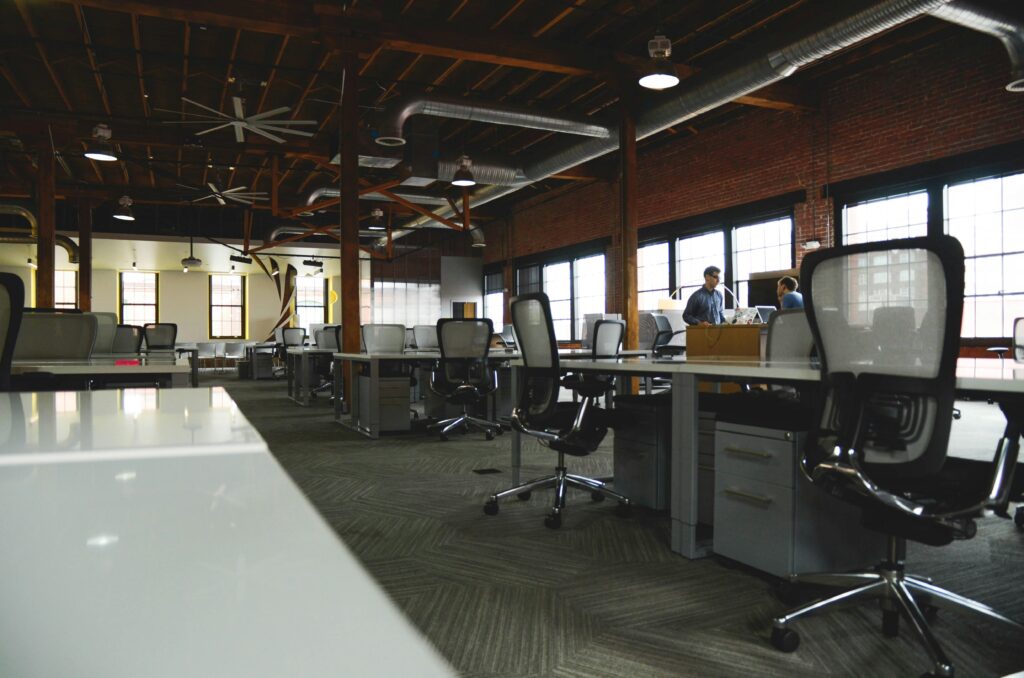
You might begin your day inside a defined workspace, but it rarely stays there. A quick discussion spills into a common area. A short break stretches into a conversation. Movement doesn’t feel like interruption—it feels like part of the workflow.
That fluidity is where Alphathum builds its identity.
Another thing that stands out is how the project handles repetition—or rather, avoids it.
Many large developments start to feel predictable after a point. Same layouts, same visual language, same experience floor after floor. Here, there’s an attempt to break that monotony. Open terraces, green pockets, and shared zones create pauses within the structure.
And those pauses matter.
Because work today isn’t just about output. It’s about how sustainable the environment feels over long hours. A space that allows mental breaks without forcing you to step out entirely tends to hold attention longer.
That’s a quiet advantage.
From a functional perspective, the project doesn’t lock itself into one type of usage. It leaves room for variation—different office sizes, flexible configurations, evolving business needs. That openness makes it easier for companies to grow within the same space instead of outgrowing it too quickly.
And that’s often overlooked while evaluating commercial developments.
Because adaptability doesn’t show up immediately—but it defines long-term relevance.
What gives Bhutani Alphathum commercial projects their edge isn’t a single standout feature.
It’s the way everything feels interconnected.
Nothing feels excessive, nothing feels missing. The space doesn’t try to impress you in one glance. It unfolds gradually, as you begin to understand how it works with you rather than around you.
And in the long run, that’s what keeps a place active.
Not just design. Not just scale.
But how naturally it becomes part of the way people move, think, and work every single day.