ONE FNG by Group 108 sits in a part of NCR that is slowly finding its own rhythm. The FNG corridor used to be spoken about as a future idea, but now it feels more active, almost in use rather than in waiting. What’s changing is not sudden, but it is visible if you’ve been tracking how commercial movement in this belt is spreading outward from older business hubs.
What makes ONE FNG noticeable is not any single feature trying to grab attention. It is more about how the entire thing feels put together. A lot of developments in emerging zones tend to overdo first impressions—large glass surfaces, dense clustering, and strong visual statements. This one feels less interested in that approach. It comes across more measured, like it is trying to stay functional over time instead of being memorable only on day one.
When you think about commercial spaces, the first visit is rarely the real test. The real test comes later—when people return again and again and start noticing how easy or difficult it is to move around, settle into routine, or simply navigate the space without thinking too much about it. ONE FNG by Group 108 seems designed with that second stage in mind, where familiarity matters more than initial impact.
There is a kind of quiet structure to how everything is arranged. Not in a rigid sense, but in a way that avoids confusion. You don’t get the feeling that the design is forcing you to constantly re-orient yourself. Instead, it stays readable. That readability becomes important in large commercial environments where people are often dealing with time pressure and repeated movement through the same zones.
The FNG belt itself is also becoming more relevant in a practical way. It is no longer just a bypass idea on paper. Traffic flow, access routes, and connectivity improvements are slowly turning it into a working commercial stretch. Within that shift, ONE FNG feels like it belongs to a newer phase. less experimental, more settled in its intent.
There is also something to be said about how the space avoids unnecessary noise in design terms. It doesn’t try to impress through excess detail. Instead, it lets scale and proportion do more of the work. That kind of restraint is not always immediately appreciated, but over time it often proves easier to work with.
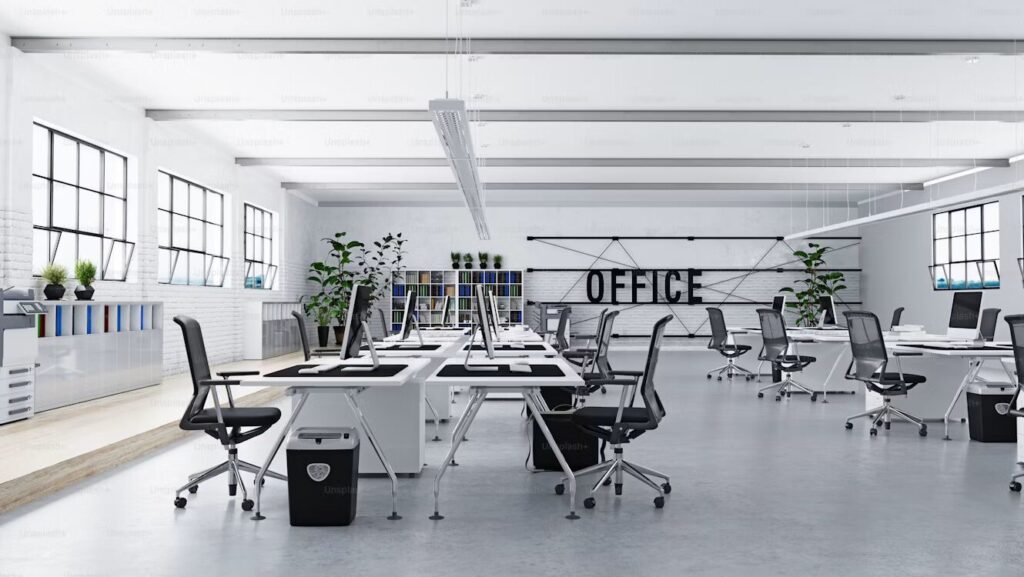
For people using such spaces daily, small things start to matter more than expected. How quickly you can move from one point to another, whether the environment feels mentally tiring, how naturally conversations happen without needing formal setups, these are the details that begin to shape perception. ONE FNG by Group 108 seems to lean into that quieter side of usability.
In the broader NCR picture, developments like this represent a shift away from overly dense commercial thinking. The focus is slowly moving toward clarity, usability, and long-term comfort rather than short-lived visual impact. ONE FNG fits into that shift without trying to announce it loudly.
In the end, it feels less like a statement and more like an adjustment, one that aligns with how workspaces in this part of NCR are gradually evolving. ONE FNG by Group 108 doesn’t try to dominate attention; it simply stays steady in how it functions, and that is what defines it most.